

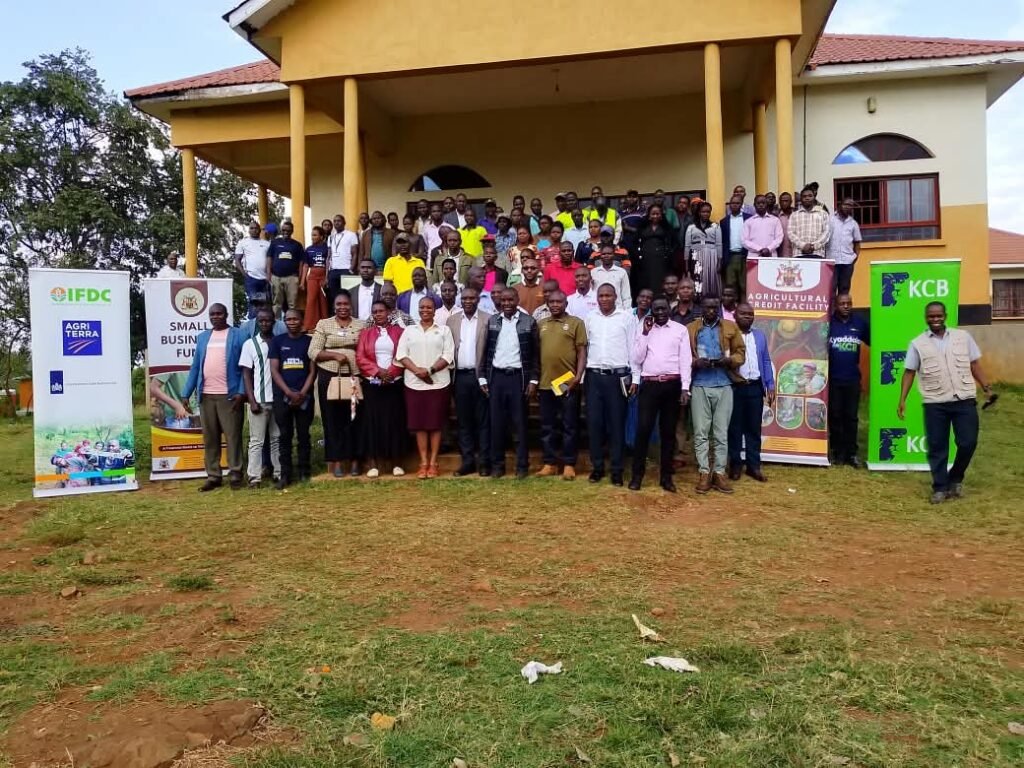
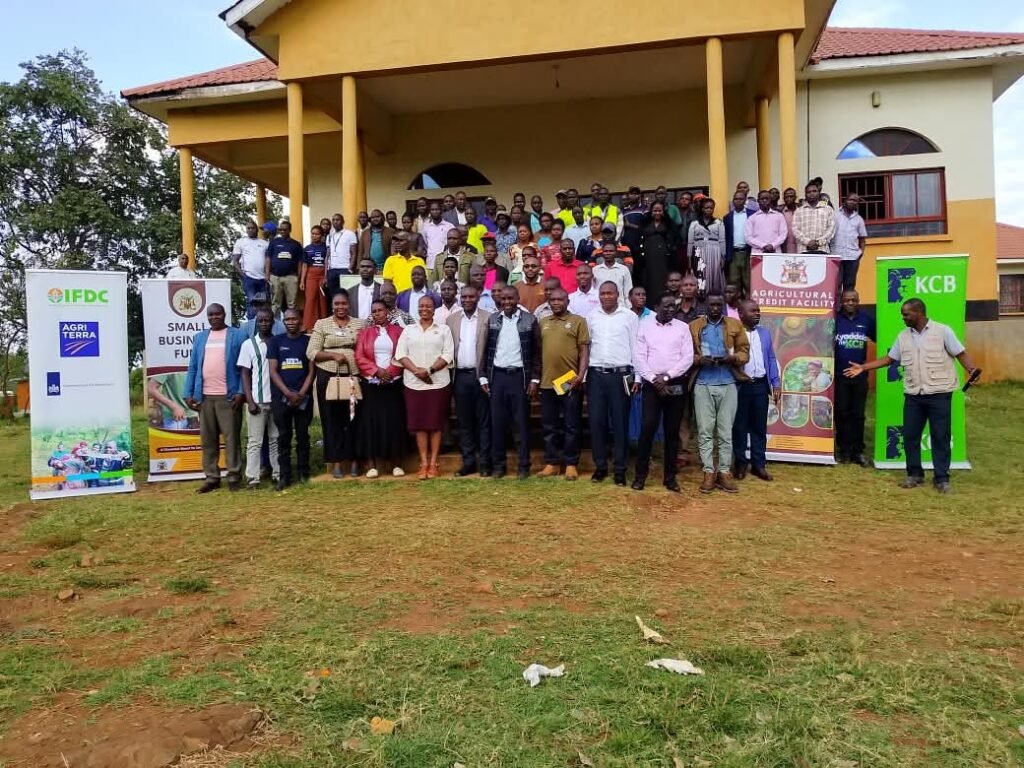
The Uganda Cooperative Alliance Limited (UCA), in partnership with the Bank of Uganda (BoU), has engaged cooperative societies, farmers and small-scale business operators in Bukwo District on financial management, savings and access to affordable financial services to strengthen cooperatives and improve livelihoods.
The engagement, which brings together the cooperative movement and the central bank, seeks to promote financial literacy, improve accountability and encourage sustainable saving practices among cooperative members in the Sebei sub-region.
The Eastern Uganda Representative of UCA said the partnership with the Bank of Uganda provides an important opportunity to empower cooperatives financially and strengthen their contribution to economic development.
He said the Sebei sub-region has the necessary factors of production to support successful cooperative enterprises, citing its fertile soils and agricultural potential.

He described UCA as the apex body for cooperative societies in Uganda, saying the partnership with the Bank of Uganda is intended to create opportunities for cooperatives to access financial knowledge and services.
“We are here for a strategic partnership because the Bank of Uganda is here,” the representative said.
He observed that farmers have repeatedly raised concerns about limited opportunities for value addition, partly because of inadequate information and knowledge about available opportunities.
He urged cooperative members to embrace financial education, arguing that information and knowledge are more beneficial than handouts.
Hannington Kiprotich, the Chief Administrative Officer of Bukwo District, said the district has many cooperative societies, but inadequate institutional capacity remains a major obstacle to their effective management.
Kiprotich said capacity challenges cut across several government programmes, including the Parish Development Model (PDM), particularly in financial management and accountability.
He noted that the partnership comes at a time when financial management has become a major concern, requiring cooperative leaders and members to exercise caution in handling resources.
Kiprotich said financial matters are sensitive and, if poorly managed, can undermine the objectives of cooperative societies.
He called for access to relevant information and improved financial management systems to ensure that cooperatives and community groups create meaningful value from available credit and other resources.
Dorothy Namarome Muinda, from the Bank of Uganda’s Publicity and Customer Support Section, emphasised the importance of personal financial management, saying proper planning helps individuals avoid unnecessary financial burdens.
Muinda said everyone should establish clear financial goals and targets, whether short-term, medium-term or long-term, depending on their needs and circumstances.
She encouraged people to record all their income and expenditure to monitor their financial position and identify areas where they could reduce unnecessary spending.
“As a personal manager, I write all my income and all my expenses. When you have that, you will be able to audit yourself,” Muinda said.
She said budgeting helps individuals identify priority needs, promotes financial discipline, encourages saving and improves decision-making.
Muinda advised people to regularly review their budgets, keep savings out of easy reach and avoid spending money on items that were not planned for.
She also encouraged communities to adopt a philosophy of using less, reusing and recycling resources to minimise unnecessary expenditure.
However, residents said limited access to secure savings facilities and unpredictable weather conditions continue to undermine efforts to develop a saving culture, particularly among farmers.
Peter Kuruwa, a peasant farmer and resident of Kamarur Cell, Torasis Ward, in Bukwo Town Council, said saving is difficult for farmers whose incomes largely depend on agricultural production.
Kuruwa said he normally saves part of the proceeds from selling farm produce, but the drought experienced this year affected production and reduced his ability to put money aside.
He said savings are important for meeting future needs, particularly medical emergencies and school fees, but farmers cannot save when their harvests are affected by unfavourable weather conditions.
Kuruwa also raised concerns about the lack of secure financial institutions in rural communities, saying some residents resort to keeping money in boxes at home, exposing their savings to theft.
He appealed to the government and financial institutions to extend banking services to rural communities and develop affordable loan products that farmers can use to invest in productive activities.
Annet Chemutai, a cross-border business operator and Trade Destination Information Officer at Suam Border Post, said inadequate access to banking services has forced some traders to keep their money at home, where it is vulnerable to theft.
Chemutai said some residents had embraced group savings schemes, but the practice was discouraged by incidents in which leaders of certain savings groups allegedly disappeared with members’ contributions.
She said the experience pushed some people to abandon group savings and resort to keeping their money at home.
However, Chemutai noted that SACCOs have helped encourage saving among some community members through share contributions and interest earned on their savings.
She also pointed to government-supported programmes such as the Parish Development Model, which requires beneficiaries to belong to SACCOs, as an opportunity to strengthen collective savings and financial inclusion.
Chemutai called for increased access to formal financial services, particularly banking facilities, to support small-scale businesses and farmers.
She also urged financial institutions to offer affordable loans based on borrowers’ financial capacity and needs, noting that some potential borrowers are discouraged by high interest rates and stringent collateral requirements.
Meanwhile, Bmna Chebet, a resident of Kululu Village in Suam Sub-county and a district councillor, said women have increasingly embraced village savings groups, although the wider saving culture remains low in some communities.
Chebet said many households depend on farming, while high expenditure makes it difficult for residents to save consistently.
She observed that there is often a mismatch between the amount people save and their expenditure, leaving households struggling to meet their financial obligations.
Chebet encouraged residents to embrace saving, saying it reduces financial pressure and provides a safety net during emergencies.
She added that savings groups can help members access quick loans when they face unexpected financial needs.
She called for increased community sensitisation on the importance of saving and urged financial institutions to offer loans at lower interest rates to enable farmers and small-scale business operators to benefit from financial services.
The partnership between UCA and the Bank of Uganda highlights the importance of collaboration between the cooperative movement and financial institutions in strengthening financial literacy, improving accountability and expanding access to financial services, particularly in rural communities.